Justice Department Launches Super Intelligence Task Force to Prosecute Misuse of Advanced AI by Foreign Actors and Fraudsters
The new unit, led by Associate Attorney General Stanley Woodward and Stephen Weiss, signals that AI enforcement will run through criminal prosecution, though the release names no cases, budget or authorities.
Key facts
- The Justice Department announced its Super Intelligence Task Force (DOJ-SITF) on 5 November 2026 in press release 26-1319.[1]
- Associate Attorney General Stanley Woodward and Associate Deputy Attorney General Stephen Weiss lead the task force, which reports to Attorney General Todd Blanche.[1][2]
- The task force targets foreign state and state-sponsored actors, transnational criminal organisations, and individual or corporate actors engaged in fraud or other unlawful conduct.[1]
- Engadget reported that Trump coined the term super intelligence several weeks before the announcement and later said he would ban the term artificial intelligence.[2]
- Gizmodo's Matt Novak described the launch as part of an effort to rebrand AI as SI and noted the release says little about the task force's powers or specific actions.[3]
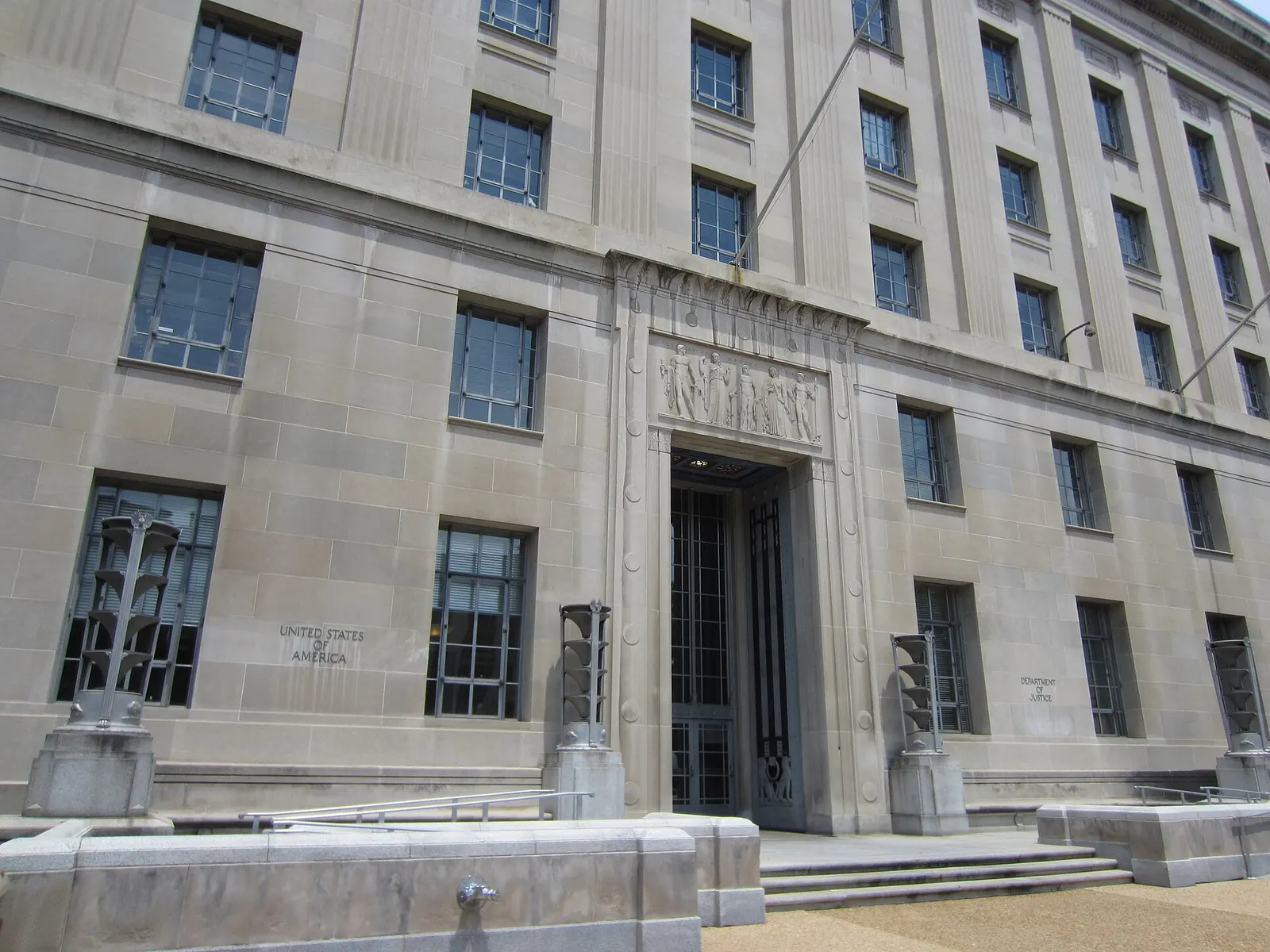
The US Department of Justice on Thursday 5 November 2026 launched a Super Intelligence Task Force, abbreviated DOJ-SITF, to counter what it calls the misuse of advanced AI by foreign states, transnational criminal groups and fraudsters, according to the department's press release. The unit is led by Associate Attorney General Stanley Woodward and Associate Deputy Attorney General Stephen Weiss and reports to Attorney General Todd Blanche.
The announcement is the clearest signal yet that the administration wants AI enforcement to run through criminal prosecution, and it arrives with a new vocabulary: the department's release uses "SI", for super intelligence, where most of the industry says AI.
What is the task force meant to do?
The release, numbered 26-1319 and issued by the Office of Public Affairs, says the department will lead in guarding against malicious uses of super intelligence. It describes a mission with two sides. The first is to keep American leadership in the technology from being undermined by misuse. The second is to support development by American innovators while preventing critical technologies from being manipulated by bad actors at home or abroad.
The threats it names are foreign state and state-sponsored actors, transnational criminal organisations, and individual or corporate actors engaged in fraud or other unlawful conduct. The planned activities, as the release lists them, are:
- prosecuting individuals whose use of the technology violates the law, including schemes that target American taxpayers, critical US infrastructure or other national-security interests; - using law-enforcement tools to deter improper use; - increasing regular reporting on risks and responses; and - encouraging companies to maintain strong internal controls so that their systems behave as intended.
The task force will work in partnership with SI Force Chair Jay Clayton, the release says. It lists the Office of the Attorney General and the Office of the Associate Attorney General as the associated components and links to the memorandum that establishes the unit. That memorandum was not reviewed for this article, so details such as budget, staffing and legal authorities are not covered here.
What did officials say?
The release opens with a line attributed to President Donald Trump: "America stands at the forefront of a new technological revolution in intelligence." Blanche is quoted as saying: "SI development will continue to be powered by American innovators." Woodward said: "Our comprehensive effort will promote innovation and prevent the misuse of Super Intelligence." Weiss said: "The Department is committed to protecting all Americans and our business interests."
Those statements frame the unit as pro-industry as much as punitive. The emphasis on "internal controls" suggests that companies building or deploying advanced systems are expected to manage their own risks, with prosecution reserved for people who use the technology to break existing laws. The release does not announce any specific case, target or new statute.
How has the press reacted?
Engadget reported on 6 November that the department posted about the launch on X on 5 November. Its author, Lawrence Bonk, wrote with a critical eye. He noted that Blanche has been accused of fraud on several occasions, including in a crypto-related scheme reported by ProPublica, and argued that it is odd for Blanche to oversee a body that will investigate fraud in the AI sector. Those are accusations reported by Engadget, not findings, and the Justice Department release does not address them.
Engadget also pointed to the terminology. Trump coined the term "super intelligence" several weeks before the announcement, the article said, and later said he would ban the term "artificial intelligence", reportedly after the Wall Street Journal did not adopt his preferred wording. Most publications have not followed his lead, according to Engadget.
Gizmodo's Matt Novak was sharper still. The piece, published on 5 November, reads the launch as part of an attempt to rebrand AI as SI, and it is openly opinionated; its conclusions about Trump and about technology executives are the author's views rather than established facts. Novak did note that the release says little about the task force's powers or specific actions beyond what the department stated.
Why the politics matter
Both outlets place the launch against the aftermath of the 3 November midterm elections. Gizmodo said Democrats had won at least 54 of 100 Senate seats and at least 252 of 435 House seats, with some races uncalled, and argued that technology executives who had accommodated the administration may become less willing to do so. Engadget made a similar point, saying the new Democratic majorities are likely to investigate what companies did over the past two years. Those are forecasts from the writers, not reported events.
For AI companies, the practical question is different from the political one. A unit that coordinates criminal enforcement signals that misuse involving fraud, infrastructure or national security will be handled as a law-enforcement matter. Companies that sell models or agent platforms may face more requests for information about how their systems were used in alleged crimes, and more pressure to document the controls the release says it wants to see. Nothing in the three sources reviewed says such requests have gone out.
What we don't know yet
Several material details are unconfirmed. The release does not say how many prosecutors the task force will have, whether it has dedicated funding, or how it will divide work with existing units that handle fraud, cybercrime and national security. It does not define "super intelligence" or say whether the department's use of the term has any legal meaning, so it is unclear whether prosecutions will turn on the label or on ordinary criminal statutes. It also leaves open how the task force will relate to Clayton's SI Force beyond describing a partnership.
The sources also differ in emphasis rather than fact. The department stresses innovation and national leadership; Engadget and Gizmodo stress branding, politics and the credibility of the officials involved. All three agree on the date, the leaders and the stated mission.
What to watch next
The first test will be whether the task force announces cases, and what kind. Schemes targeting taxpayers or critical infrastructure are the examples the release gives, so early filings are likely to fall in those areas. A second marker is any guidance to companies on the "internal controls" the department says it wants. A third is whether Congress, once the new members are seated, asks for the memorandum, the budget or the case list. Until then, the task force is best understood as a statement of intent: a new organisational chart and a new vocabulary, with the substance still to come.