

Fed Minutes Keep a Second Hike in View as Weak Data Pushes Back October
September FOMC minutes show a unanimous first hike since 2023 and a majority expecting another by year-end, while soft jobs and inflation data have markets pricing an October pause.
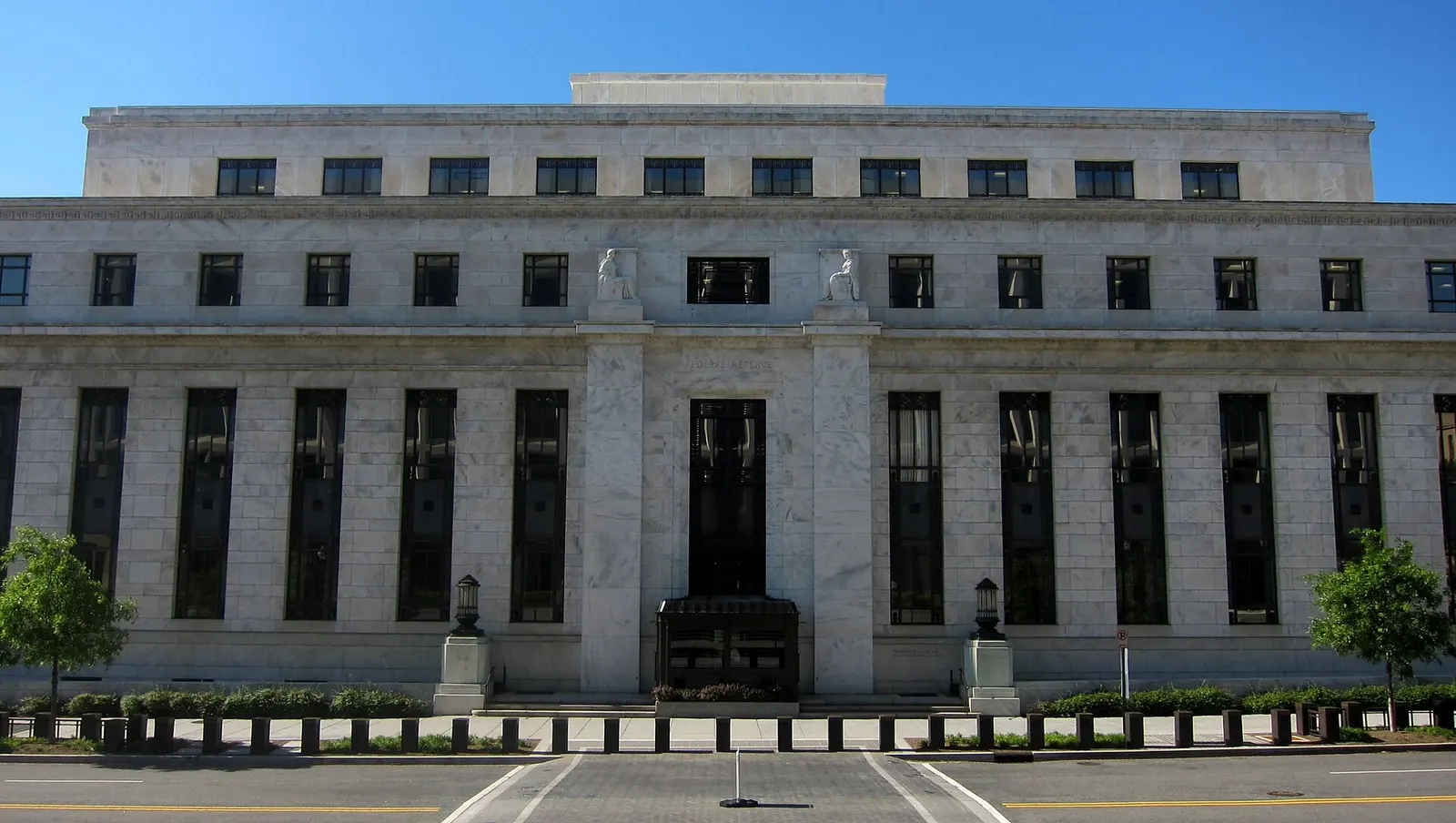

Key facts
- The FOMC voted 12-0 to raise the target range to 3.75%-4.00%, and most participants expected another increase by year-end[1][2]
- August PCE came in at 3.4% headline and 3.0% core, below staff projections of 3.6% and 3.2%[3]
- September payrolls rose by 29,000 against a consensus above 80,000, with prior months revised down by 60,000[3]
- October hike odds fell from about 70% to about 20% after the weak jobs data[5][3]
- Williams said there was no need for urgency, while Logan believes at least two more hikes are needed[2]
- Treasury yields rose about 35 basis points across the 2- to 10-year segment over the intermeeting period[2]
The Federal Reserve's first interest-rate increase since 2023 was unanimous, but the minutes of the September meeting, published on October 7, show a committee that agreed on the direction and little else. Most participants judged that another increase would likely be appropriate by year-end. Data released since the meeting has made that second move look less urgent, and markets now treat October as a pause and December as the next live decision.
What the minutes say
The Federal Open Market Committee voted 12-0 on September 16 to lift the federal funds target range by a quarter point to 3.75%-4.00%. The Board also raised the interest rate on reserve balances to 3.90% and the primary credit rate to 4.0%, according to the minutes. According to Wealth Professional, citing the New York Times, it was the first increase since July 2023.
The minutes record that every participant supported the move, but for different reasons. Participants said they "had not seen sufficient progress on lowering inflation in recent months," and some judged underlying inflation to be above 2%. Several said the previous policy rate was not restrictive, or only mildly so.
Energy and artificial intelligence feature repeatedly. Many participants warned that the longer energy prices stay high, "the greater the risk that cost increases in certain sectors could lead to broader price pressures." Participants also cited possible further tariff increases and the chance that AI-related demand outruns supply as upside risks. According to the minutes, risks to inflation were generally seen as skewed to the upside, and some said that skew had grown recently. Staff projected inflation to reach 2% only in 2029.
On the path ahead, the minutes are deliberately noncommittal. Most participants expected another increase by year-end, but they stressed that future decisions would depend on incoming information. Wealth Professional, again citing the New York Times, reported that of 18 policymakers who submitted rate projections, 16 expected at least one more quarter-point move by year-end, which would take the range to 4.00%-4.25%.
The data moved the other way
The minutes describe mid-September. Data since then has pushed the other way.
The first is inflation. Scotsman Guide reports that Fed staff had projected August headline PCE inflation at 3.6% and core at 3.2% on a 12-month basis. Government data published two weeks after the decision showed 3.4% and 3.0%. Both were below the consensus of 3.7% and 3.3% from polls by Reuters and Dow Jones, the same report says. Inflation remains far above the 2% target, but it came in softer than staff had assumed.
The second is employment. Scotsman Guide reports that U.S. employers added 29,000 nonfarm jobs in September, according to the Bureau of Labor Statistics report of October 2, against a consensus above 80,000. The prior two months were revised down by a combined 60,000 jobs. A weekly summary from Paratus Wealth puts the unemployment rate at 4.2%, up from 4.1%, and says August payrolls were revised to 133,000 from 162,000.
The pricing shift has been sharp. Newsquawk says the weak jobs data cut the odds of an October hike from about 70% to about 20%. Scotsman Guide cites CME FedWatch at 17% for an October hike and 84% for a December hike as of the day the minutes were released. The next FOMC meeting runs October 27-28.
A committee that is not speaking with one voice
Wealth Professional, citing the New York Times, reports that New York Fed President John Williams said there was "no need for urgency" after the increase. Vice Chair Philip Jefferson said two days later that assessing the timing of further moves "may take more time." Dallas Fed President Lorie Logan, in contrast, believes at least two more quarter-point increases will be needed, according to the same report, which cites Reuters. Newsquawk adds that voters Jefferson, Williams, Waller and Bowman have all pointed to an October pause.
Chair Kevin Warsh described the increase as removing a "dose of accommodation," Wealth Professional reports, citing Reuters, and had not spoken publicly since the September 16 press conference as of that report. A clean October pause would let the Fed wait for more information without abandoning the guidance that another increase is likely.
Why it matters
The episode shows the constraint under which the Fed is operating. Energy prices linked to geopolitical developments have landed on an economy that the minutes describe as close to maximum employment, with hiring and layoffs both low. Policymakers can argue the September increase was insurance. If the labor market is now weakening faster than staff expected, the insurance argument for a December move becomes harder to make, while the inflation argument remains intact.
Financial conditions have already tightened. Wealth Professional reports that nominal Treasury yields rose about 35 basis points across the 2- to 10-year segment over the intermeeting period, which market commentary attributed to geopolitical developments, the Treasury buyback program and private debt issuance financing AI infrastructure. The same report, citing Reuters, says the 30-year mortgage rate reached its highest level in nearly three years, and, citing the Institute of International Finance, that foreign investors pulled $26.3 billion from emerging-market stocks and bonds in September.
Oil remains the swing factor. Newsquawk reports that WTI settled at $91.85 a barrel, and that OPEC+ kept November output targets unchanged for a second month, with actual production below quotas because of Middle East disruptions. Higher fuel costs show up quickly in headline inflation, and the minutes name prolonged energy costs as a route to broader price pressure.
What to watch
The September consumer price report, due October 14, is the next test. Newsquawk says the consensus is for headline CPI to rise 0.6% on the month and 3.6% on the year, up from 3.4%, with core up 0.2% on the month and 2.5% on the year. A headline print driven by energy with a calm core would support the case for waiting. A hotter core reading would revive the argument that the September increase was only a start.
The second test is the Fed's own communication. Whether the October statement keeps the language on further firming, and whether the next projections still show a majority expecting one more increase, will indicate if the minutes described a firm plan or a hedge. For now the Fed has raised rates, signaled it may do so again, and left itself room to do neither.