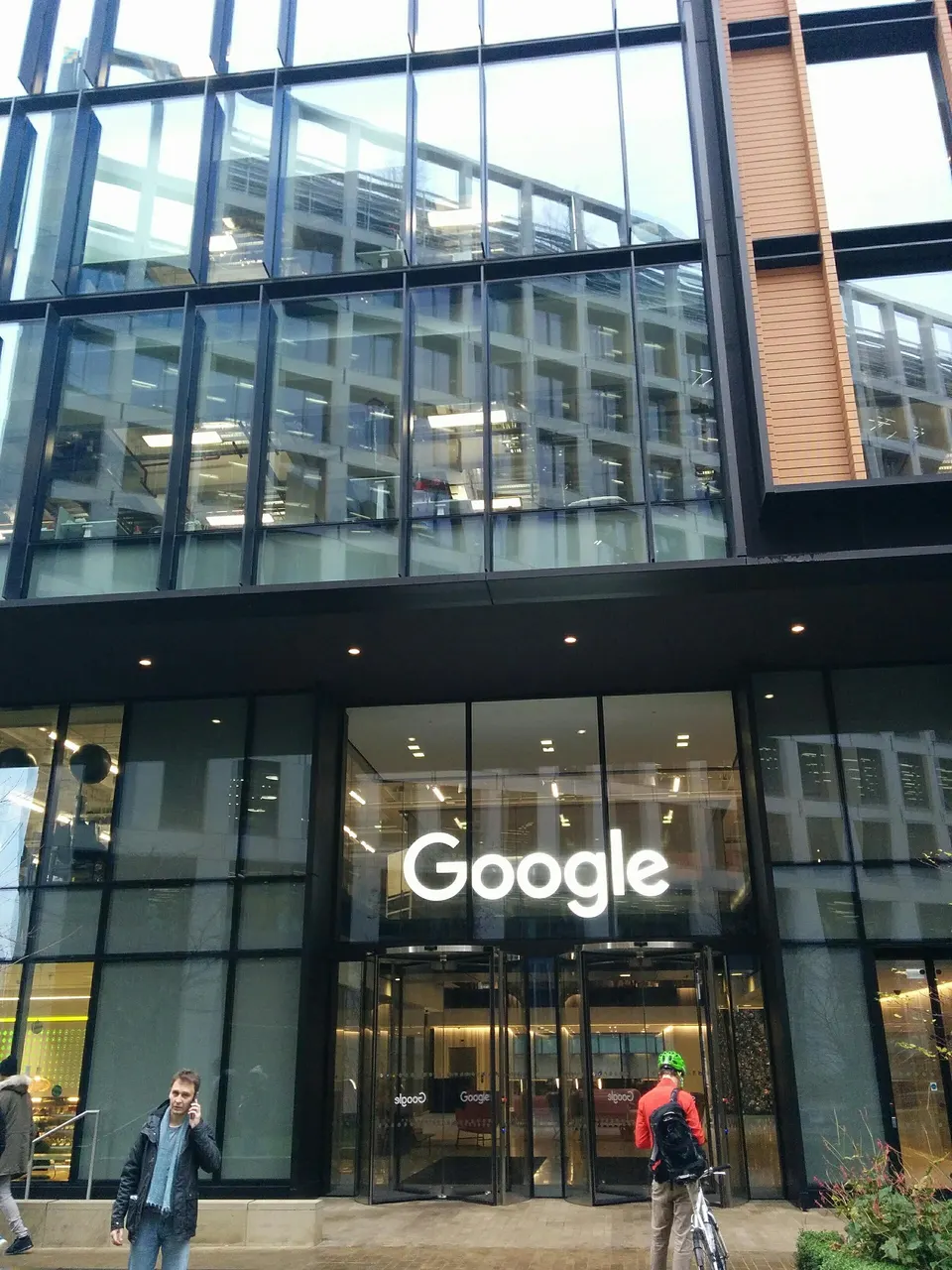
Google’s Gemini 3.8 Live Raises the Stakes for Real-Time AI
Google’s new voice models bring live reasoning and background tool use to Search, intensifying the race to make AI agents feel immediate and useful.
Key facts
- Google released Gemini 3.8 Live and Gemini 3.8 Live Extended Thinking on September 15, 2026.[1][3]
- Gemini 3.8 Live is being used to power Search Live in the Google app.[2]
- The models are designed for real-time dialogue, with Extended Thinking targeting more complex reasoning tasks.[1][3]
- Reporting says the models can make software-tool calls in the background while conversation continues.[3]
- Google reported an 82.6 score for Extended Thinking on the Artificial Analysis speech-to-speech quality index.[3]
Google on September 15 released Gemini 3.8 Live and Gemini 3.8 Live Extended Thinking, two models designed for real-time voice interaction. The launch matters because Google is not treating voice as a standalone assistant feature: Gemini 3.8 Live is also being rolled into Search Live, putting conversational AI directly inside one of the internet’s most important discovery interfaces.
What changed
Google describes the standard Live model as optimized for high-volume, latency-sensitive dialogue, while Extended Thinking is aimed at harder tasks that benefit from more deliberate, multi-step reasoning. The models are natively multimodal and can process audio, text and visual information. Google’s model documentation also highlights tool use and real-time interaction as core parts of the system’s intended design.
Independent reporting adds a more consequential detail: Gemini 3.8 Live can continue processing and make software-tool calls in the background while a conversation continues. That points toward a shift from voice chatbots that merely answer questions to voice agents that can perform work without forcing users through a stop-and-wait exchange.
Google is simultaneously using the model in Search Live, where users can have spoken conversations and receive links for further exploration. The integration gives Google a distribution advantage that most AI competitors lack. A capable voice model can be impressive in a demo; embedded inside Search, it can become part of everyday information-seeking behavior.
Why it matters
The launch moves the competitive frontier from “which model gives the best answer?” toward “which system can sustain a useful interaction while acting in the background?” That distinction is important for customer service, travel, education, accessibility and enterprise workflows, where interruptions and latency can make an otherwise capable assistant frustrating to use.
It also strengthens Google’s defense of Search. AI-generated answers have created pressure on the traditional results page, but a live conversational layer could make Search feel more personal and more capable without abandoning links altogether. Inference, rather than a company-stated strategy, is that Google is trying to combine the engagement of an assistant with the web reach and monetization infrastructure of Search.
The timing also places Google directly against rival voice systems, including OpenAI’s recently introduced live API models. Google’s advantage is platform integration; competitors may counter with broader developer access, lower prices or more reliable agent execution.
What remains uncertain
Google’s benchmark claims, including a reported 82.6 score on Artificial Analysis’s speech-to-speech quality index for Extended Thinking, should be treated as directional rather than definitive. Voice quality is only one part of the product. Real-world performance will depend on interruption handling, factual accuracy, response delay, privacy controls and how safely background actions are authorized.
The larger test is adoption. Users may welcome hands-free interaction for simple tasks but resist voice systems that listen continuously, search on their behalf or act without explicit confirmation. Google has demonstrated a stronger technical bridge between conversation and action. It has not yet demonstrated that people will trust that bridge at scale.