

SEC Clears 3x Leveraged Bitcoin and Ether Funds, With Strings Attached
The SEC approved Cboe's listing of six Volatility Shares 3x funds, including bitcoin and ether, breaking the 2x ceiling for U.S. crypto products, though none can trade until registration takes effect.

Key facts
- On October 2, 2026 the SEC approved a Cboe BZX rule change to list six Volatility Shares 3x funds including bitcoin and ether, after no public comments.[1][3]
- The funds cannot trade until the registration statement is effective; the order sets no deadline.[2][4]
- The SEC halted review of products above 2x in December 2025 and asked issuers in March 2026 to avoid 5x products.[4]
- The sponsor's S-1 says a 3x Bitcoin ETF is not suitable for all investors and may suffer total loss.[2]
- Volatility Shares' 2x ETHU and BITX returned -79.61% and -78.93% over one year to June 30.[5]
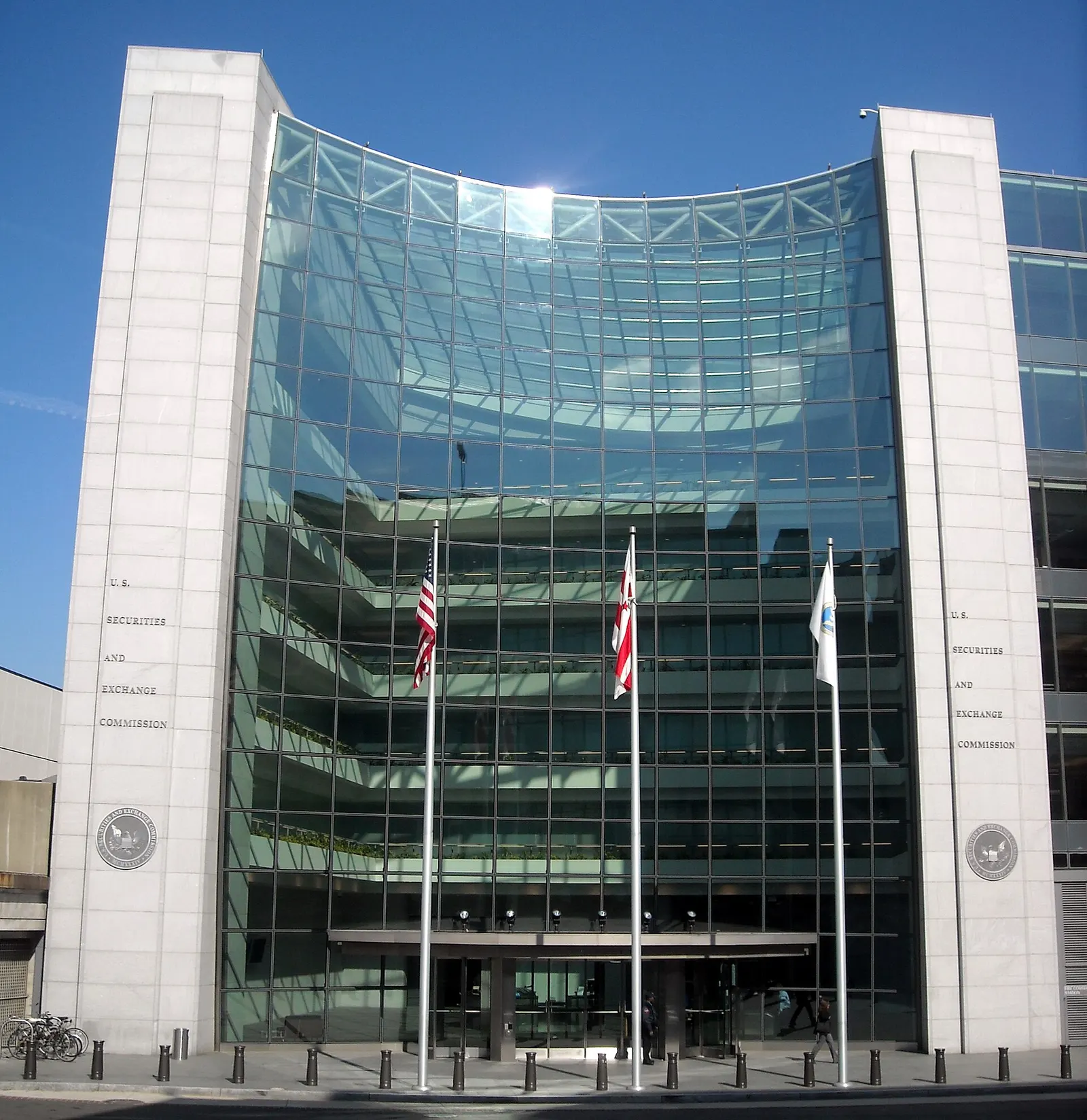
The U.S. Securities and Exchange Commission has cleared the way for the first three-times-leveraged bitcoin and ether funds in the American market, a step beyond the 2x ceiling that has governed U.S. crypto products so far. In an order dated October 2, the agency approved a Cboe BZX Exchange rule change allowing six Volatility Shares products to list: 3x Bitcoin, 3x Ether, and 3x funds tied to gold, silver, crude oil and natural gas. The funds cannot trade yet, and the approval says as much about how Washington now regulates risk as it does about demand for leverage.
What the SEC actually approved
The decision is narrower than the headlines suggest. Cboe filed on August 10 under Section 19(b) of the Exchange Act because its listing rules exclude any commodity-based trust that seeks a multiple of a benchmark's return. That exclusion keeps such products out of the generic listing standards the SEC approved in September 2025, which let qualifying funds list without a separate rule filing. The 3x objective is the one feature outside those standards, so the exchange needed case-specific approval. According to the order, the funds otherwise meet every requirement of the generic rule.
The proposal was published in the Federal Register on August 19, and the SEC's order states that it received no comments. Each fund targets three times the daily performance of a benchmark of first- and second-month futures, holding those contracts alongside cash and cash equivalents as collateral. Neither the bitcoin nor the ether fund holds the token itself. Bitcoin.com News reported that the benchmark rolls expiring positions into later contracts over five days, shifting about 20 percent a day.
Despite the "ETF" label, the order notes the products are exchange-traded products, not funds regulated under the Investment Company Act of 1940. Nothing trades until the sponsor's registration statement becomes effective, and CoinDesk noted that the order sets no deadline for that step. Bitcoin.com adds that each fund must have at least 100,000 shares outstanding when exchange trading begins.
Why the commission's reasoning matters
The SEC grounded its approval in consistency rather than enthusiasm. It found that bitcoin, ether and the other reference commodities meet the eligibility criteria in the generic standards, including futures that have traded on a regulated contract market for at least six months and a surveillance-sharing arrangement with that venue. It also pointed out that leveraged exchange-traded products on each of these commodities already list on national exchanges. Citing its 2025 generics order, the commission said applying listing standards evenly across products with the same underlying exposure levels the playing field between issuers.
On investor protection, the order leans on existing machinery: Regulation Best Interest for broker-dealers recommending products to retail customers, the fiduciary duty of investment advisers, and FINRA rules that raise sales-practice and margin requirements for leveraged and inverse products. The order does not describe a new safeguard specific to 3x crypto exposure.
That is a notable contrast with the agency's recent posture. Decrypt reported that the SEC halted review of products above 2x exposure in December 2025 and sent warning letters to nine issuers, including ProShares, then asked issuers in March 2026 to avoid 5x products. In October 2025, according to the same report, Defiance had filed for 49 funds with 3x long and short exposure while Volatility Shares had filed for 5x products. The commission treated the latest question as one of listing mechanics rather than a policy reversal.
The risk the funds carry
Leveraged funds reset daily, so their multi-day returns depend on the path of prices rather than the endpoint. The arithmetic is simple. If the benchmark falls 10 percent one day and rises 10 percent the next, it ends down 1 percent, while a frictionless 3x fund falls from 100 to 70 and recovers to 91, ending down 9 percent. Decrypt and CryptoSlate, republished by KuCoin, both used versions of that example, which KuCoin attributes to FINRA.
Rebalancing adds a second layer. To hold 3x exposure, a fund must buy futures after gains and sell after losses. CoinDesk noted that these flows tend to arrive near the market close and can amplify intraday moves as assets grow.
The sponsor's own disclosure is blunt. According to CoinDesk, the preliminary prospectus filed on Form S-1 says that a 3x Bitcoin ETF "is not suitable for all investors" and should only be considered by those who can bear the risk of total loss. Bloomberg's Eric Balchunas, quoted by CoinDesk, said "Leveraged ETFs are for trading, not investing," and Blockstream chief executive Adam Back said auto re-leveraging strategies "bleed capital in a sideways chop."
The track record of the existing 2x products gives a sense of scale, though not a forecast. The KuCoin republication of the CryptoSlate analysis cited figures for periods ending June 30: Volatility Shares' 2x Ether fund, ETHU, returned minus 79.61 percent over one year on a net-asset-value basis, and its 2x Bitcoin fund, BITX, returned minus 78.93 percent. The article cautioned that these results do not predict 3x performance and that losses cannot be blamed on leverage alone, since price moves, futures roll execution, expenses and compounding all contributed.
What comes next
Several things will determine whether the approval matters. The first is the registration statement. Until the SEC declares it effective, the funds cannot list, and the order offers no timetable. The second is whether other sponsors follow. The commission's reasoning, which rests on the presence of comparable leveraged products already listed, could be applied to similar filings. That is an inference from the order's logic, not something the agency has said.
The third is market conditions. CoinDesk placed the approval against a bitcoin price near $83,000 and 30-day implied volatility mostly between 35 and 40 percent since mid-September. Daily rebalancing by more leveraged funds would add mechanical futures flows at the close in volatile sessions.
Finally, the decision feeds a broader question about the SEC's role. Having moved crypto exposure into generic listing standards in 2025, the agency now treats a 3x structure as an incremental change within that framework. For retail investors, the practical protection is not a prohibition but a suitability regime that depends on brokers and advisers doing their jobs. Whether that is enough for products that can lose most of their value in a bad week is the debate the first trading day will reopen.