Judge Keeps 20,000 Flagged Mail Ballots in California Count as Justice Department Appeals Days Before Midterms
A federal judge rejected the Justice Department's bid to set aside ballots it says came from likely noncitizens, after the Ninth Circuit declined to intervene; California and the counties dispute the list's accuracy.
Key facts
- U.S. District Judge David Carter ruled on 28 October 2026 that about 20,000 mail-in ballots flagged by the Justice Department must remain in the California count under existing state procedures.[1]
- A divided Ninth Circuit panel voted 2-1 on 26 October 2026 to reject the Justice Department's emergency request because the government failed to allow the district court adequate opportunity to consider it.[2][3]
- Solano County found that 55% of the flagged names it sampled were no longer eligible voters, including people who had died, but the review did not establish that they were noncitizens.[3]
- Los Angeles County's registrar found that about one in four people in a sample from the Justice Department's list said they were born in the United States.[2]
- More than 3.7 million Californians had already voted when Judge Carter ruled, according to Straight Arrow News.[1]
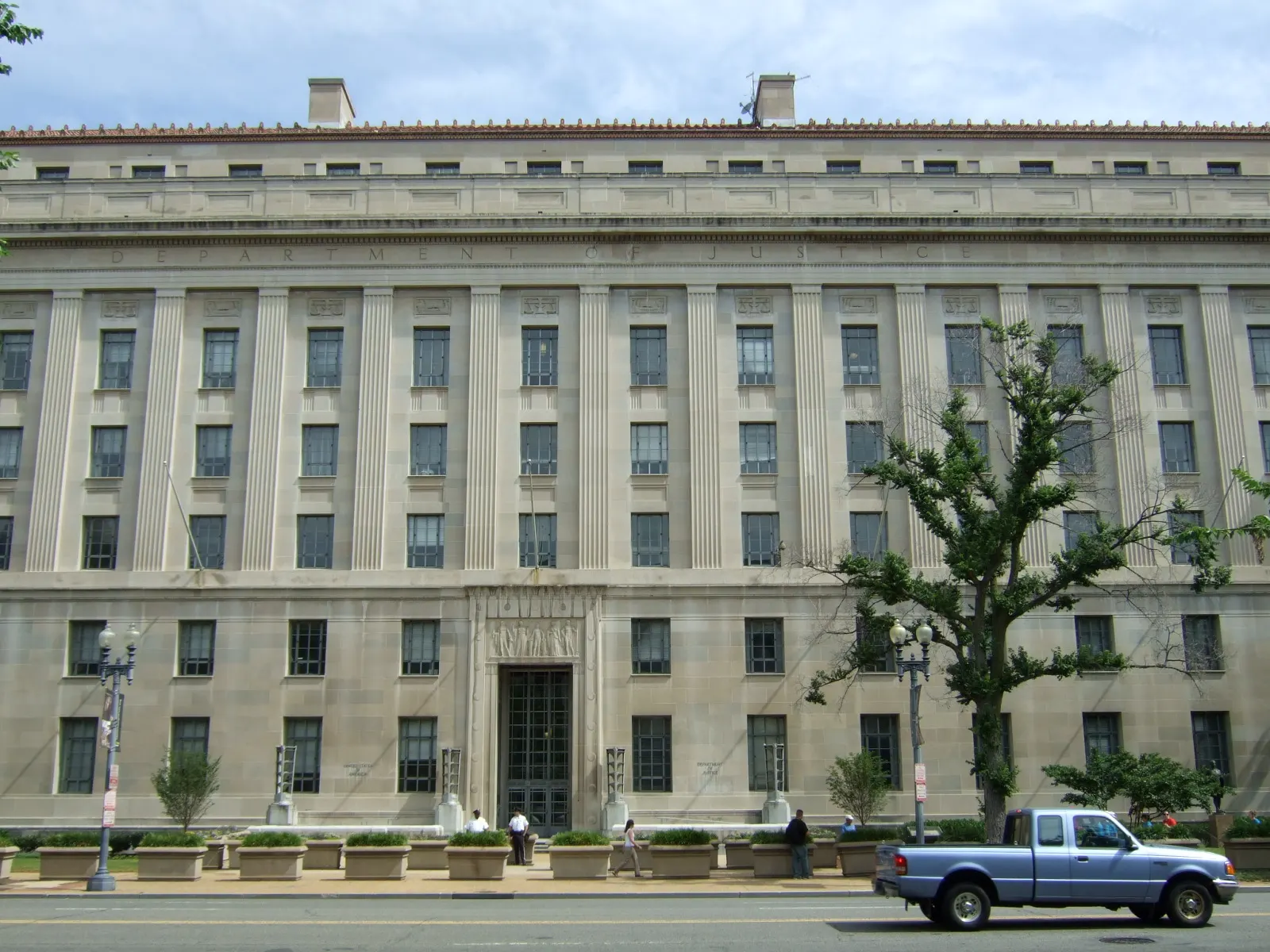
A federal judge in California ruled on 28 October that about 20,000 mail-in ballots flagged by the U.S. Justice Department as likely cast by noncitizens must stay in the count under the state's existing procedures, five days before the 3 November midterm elections. According to Straight Arrow News, U.S. District Judge David Carter rejected the department's request to separate the ballots, and the department says it is appealing.
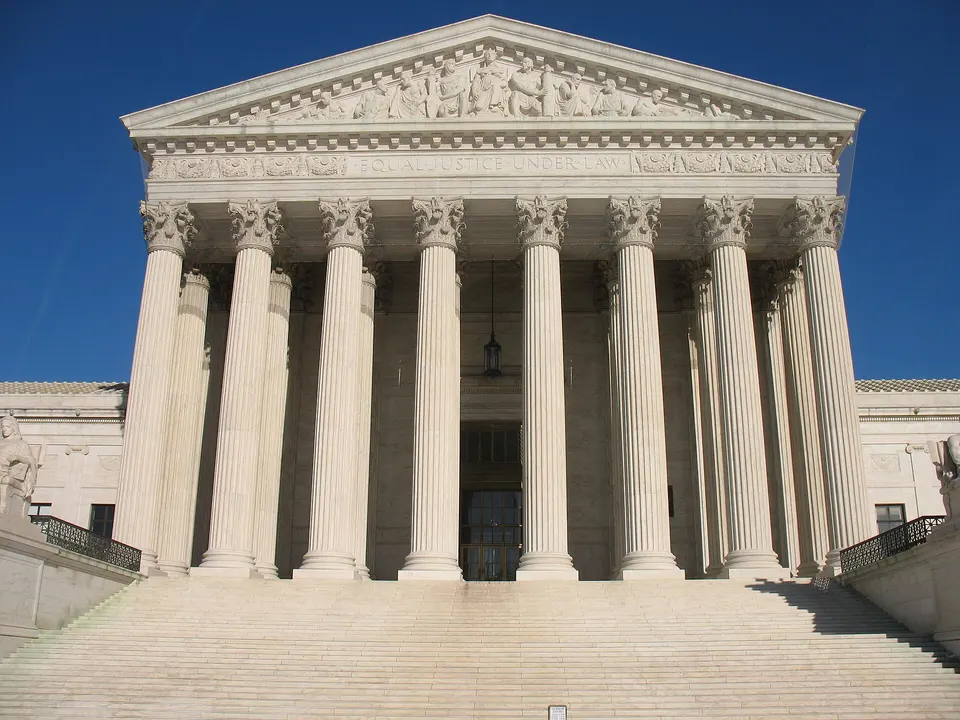
The ruling follows a separate setback two days earlier. On 26 October a divided three-judge panel of the Ninth Circuit Court of Appeals declined to act on the government's emergency request, saying the department "failed to allow the district court adequate opportunity to consider" it. Neither decision settles the underlying question of how much power Washington has over the way states run federal elections, and the dispute could still reach the Supreme Court.
What did the Justice Department ask for?
The department sued California election officials and Los Angeles County in mid-October; Straight Arrow News dates the filing to 15 October. It asked for an order to "set aside vote-by-mail ballots from persons identified by the Federal Government likely to be noncitizens" until their citizenship could be verified. KTVU reported that the administration said officials had missed a 48-hour deadline to review the list of roughly 20,000 names and asked a judge to stop those ballots from being counted until immigration checks were complete.
First Assistant U.S. Attorney Bill Essayli argued in court that the state cannot "do nothing" once it learns of potential noncitizens on its voter rolls, according to Straight Arrow News.
The dispute is less about whether noncitizens may vote than about who decides, and how fast, that a particular registrant is ineligible, and whether ballots can be pulled aside meanwhile.
What did California and the counties say?
State attorneys called the government's allegations "vague" and "not reliable," arguing that the federal list included eligible voters and that California's existing screening procedures are adequate, Straight Arrow News reported. Attorney General Rob Bonta said states and Congress, not the president, control the time, place and manner of elections, and that voter fraud is "exceedingly rare," KTVU reported. Governor Gavin Newsom described the appeals court decision as a "positive development" and a "speed bump" against attacks on the Constitution.
County sample reviews put numbers on the doubts. According to Democracy Docket, Los Angeles County's registrar found that about one in four people in a sample from the list said they were born in the United States. KTVU reported that in Solano County, a sample review found 55% of the flagged names checked were no longer eligible to vote, including people who had died, while the rest were registered voters; the review did not establish that any were noncitizens. Counties do not have direct access to federal citizenship databases.
The counties received differing numbers of names. KTVU reported that the Justice Department flagged 902 people in Santa Clara County, 407 in Contra Costa County and 170 in Solano County. Santa Clara County Counsel Tony LoPresti said federal officials lack the authority to demand confidential registration records and that ballots be set aside, and said department lawyers could not say where the list came from, only that it was bought from a third party. Contra Costa said it would keep processing ballots as usual unless a court ordered otherwise.
How did the courts rule?
At the Ninth Circuit, the panel voted 2-1. As Democracy Docket described it, the department had demanded a ruling from Judge Carter by noon on 22 October, and when none came it appealed the absence of an order, citing the "critical and exigent nature" of the case. Judge Gabriel Sanchez wrote for the majority that the requested injunction would overhaul California's election rules mid-election and risk "electoral chaos."
Judge Mark Bennett, appointed by President Trump, concurred and went further: he wrote that he would also have denied the request on the merits because the federal law on noncitizen voting does not displace California's authority under the Constitution's Elections Clause, and that the emergency was partly "self-constructed" by the department's late filing. Judge Patrick Bumatay, also a Trump appointee, dissented and would have granted the request, writing that "California's actions must be preempted."
Carter then ruled on the department's motion. According to Straight Arrow News, he wrote that the government had never before, on the eve of an election, tried to make a state abandon its own procedures, and that doing so would "wreak havoc" on the election. He also questioned the methodology behind the list and said the government had not established its credibility. He noted that prosecution remains available if the government can show specific illegal voting. He said the request violated constitutional principles giving states authority over elections.
Why does timing matter?
Straight Arrow News reported that more than 3.7 million Californians had already voted by the time of Carter's ruling, and that the government had reportedly identified about 190,000 suspect voters in July without disclosing its methodology; that figure was not explained in the sources reviewed here, and it is not clear how it relates to the 20,000-name list.
David McCuan, a political science professor at Sonoma State University, told KTVU that the Purcell principle, under which courts avoid changing election rules close to a vote, weighs against the government, and said the case could reach the Supreme Court within days. Justice Elena Kagan handles emergency applications from the Ninth Circuit, Democracy Docket noted.
What we don't know yet
The origin and accuracy of the 20,000-name list remain contested. County lawyers said department counsel could not say where it came from beyond a third-party purchase, and the department did not immediately respond to KTVU's request for comment on that point. No court has ruled on how many of the names are noncitizens, and the sample reviews cited above are small and from individual counties.
It is also unknown whether the Justice Department will seek emergency relief from the full Ninth Circuit or the Supreme Court before 3 November, or whether the ballots will face challenge after certification. For now, the ballots remain in the count while the appeal proceeds.