House Russia Bill Expands Trump’s Tariff Power
Congress passed a sanctions package aimed at Russia that could also let Trump impose steep tariffs on major energy buyers, widening a foreign-policy gamble.
Key facts
- The House passed legislation combining Russia sanctions with authority for tariffs on countries buying Russian energy or helping evade sanctions.[1]
- The bill could authorize tariffs of up to 100% on affected countries and up to 500% on Russian goods.[1]
- India warned that the measures could affect U.S.-India relations while defending its energy-security policy.[2]
- House Democrats supported stronger Russia sanctions but opposed the bill because of broad tariff authority and limited congressional oversight.[3]
The House passed legislation Wednesday, September 16, that combines sweeping sanctions against Russia with new authority for President Donald Trump to impose tariffs on countries that continue buying Russian energy. The bill now goes to Trump, who is expected to decide whether to sign it, but its most consequential effects may fall well beyond Moscow.
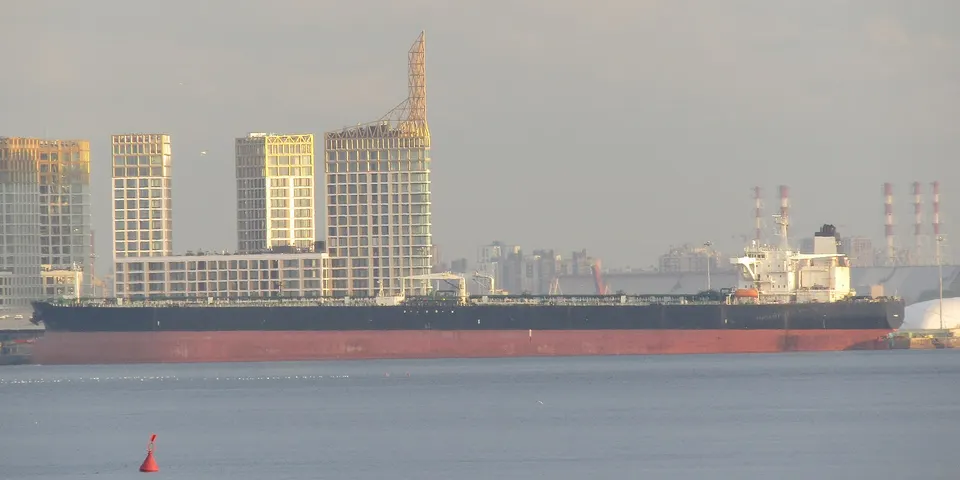
The Lindsey O. Graham Sanctioning Russia and Iran Act would direct tariffs of up to 500% on Russian goods and authorize duties of as much as 100% on imports from countries that knowingly purchase Russian crude oil or natural gas. It also targets countries accused of helping Russia evade sanctions, while imposing measures on Russian officials, financial institutions, oligarchs and the so-called shadow fleet used to move oil.
House Ways and Means Chairman Jason Smith, a Missouri Republican, described the measure as a way to force countries to choose between supporting Russia’s war effort and maintaining access to the U.S. market. Supporters argue that existing sanctions have left Moscow enough room to finance its invasion of Ukraine, particularly through energy sales to large foreign buyers.
The bill’s bipartisan support reflects continued congressional backing for pressure on Russia, but the vote also exposed a sharp dispute over presidential trade authority. Democratic leaders said they support stronger sanctions yet opposed giving Trump broad, potentially unilateral power to impose tariffs. They argued that the measure could raise prices for American households and allow the president to waive or reshape sanctions with limited congressional oversight.
Why it matters
The legislation turns Russia policy into a wider test of the administration’s willingness to use trade pressure against U.S. partners. India, China, Turkey and several Middle Eastern and Central Asian states are among the countries that could face exposure under the bill’s framework because of their energy purchases or alleged role in sanctions evasion. Even before any tariffs are imposed, the threat could complicate relations with governments Washington needs on trade, security and diplomacy.
India’s foreign ministry warned Thursday that new U.S. measures could damage bilateral ties while insisting that New Delhi would continue protecting its energy security. That reaction shows the central dilemma: pressure on Russian oil buyers may reduce Moscow’s revenue, but it can also create friction with countries whose cooperation Washington wants on China, supply chains and regional security.
The bill also gives Trump leverage over the timing and scope of enforcement. The administration could use tariff threats to seek concessions from foreign governments, but that flexibility creates uncertainty for businesses and allies trying to plan around U.S. trade policy. Congressional Democrats warned that the measure could amount to the largest transfer of tariff authority to a president in years.
What remains unclear is whether the bill will produce immediate economic pressure or mainly serve as negotiating leverage. Its impact will depend on how aggressively Trump uses the authority, which countries are targeted, whether waivers are granted, and how affected governments respond. The House vote therefore marks less a settled sanctions policy than a new escalation option—one that links Ukraine strategy, presidential power and global trade in a single instrument.