Houthi Missile Campaign Turns Saudi Airports Into a Front Line
Houthi claims of missile strikes on Riyadh's airport, Saudi reports of civilian deaths and a coalition offensive near Bab al-Mandeb have widened Yemen's war into Saudi civil infrastructure.
Key facts
- Saudi civil aviation authority GACA said a pilot and two other Saudi citizens were killed in Thursday's attacks on King Khalid airport[1]
- Houthi spokesman Yahya Saree claimed a ballistic missile hit King Khalid Airport on October 8, while the coalition said it intercepted missiles aimed at Riyadh[3][2]
- IOM says more than 200,000 people displaced since fighting escalated, up from 76,000 in mid-September[2]
- Critical Threats reports the Yemeni government Mokha offensive began October 4 with Saudi air support[4]
- Lufthansa Group suspended Riyadh flights through October 16[2]
Yemen's Houthi movement has turned Saudi Arabia's airports into a front line. Over the week to October 9, the group said it struck Riyadh's King Khalid International Airport with ballistic missiles, and Saudi aviation authorities reported civilian deaths there and at other airports. The Saudi-led coalition says it intercepted most incoming missiles and has hit Houthi launch sites in return. The sequence, reported by Al Jazeera, Euronews and the Critical Threats Project, marks a shift from a contest over Yemeni territory to a contest over Saudi civil infrastructure. Most figures come from the parties and could not be independently verified.
What each side says happened
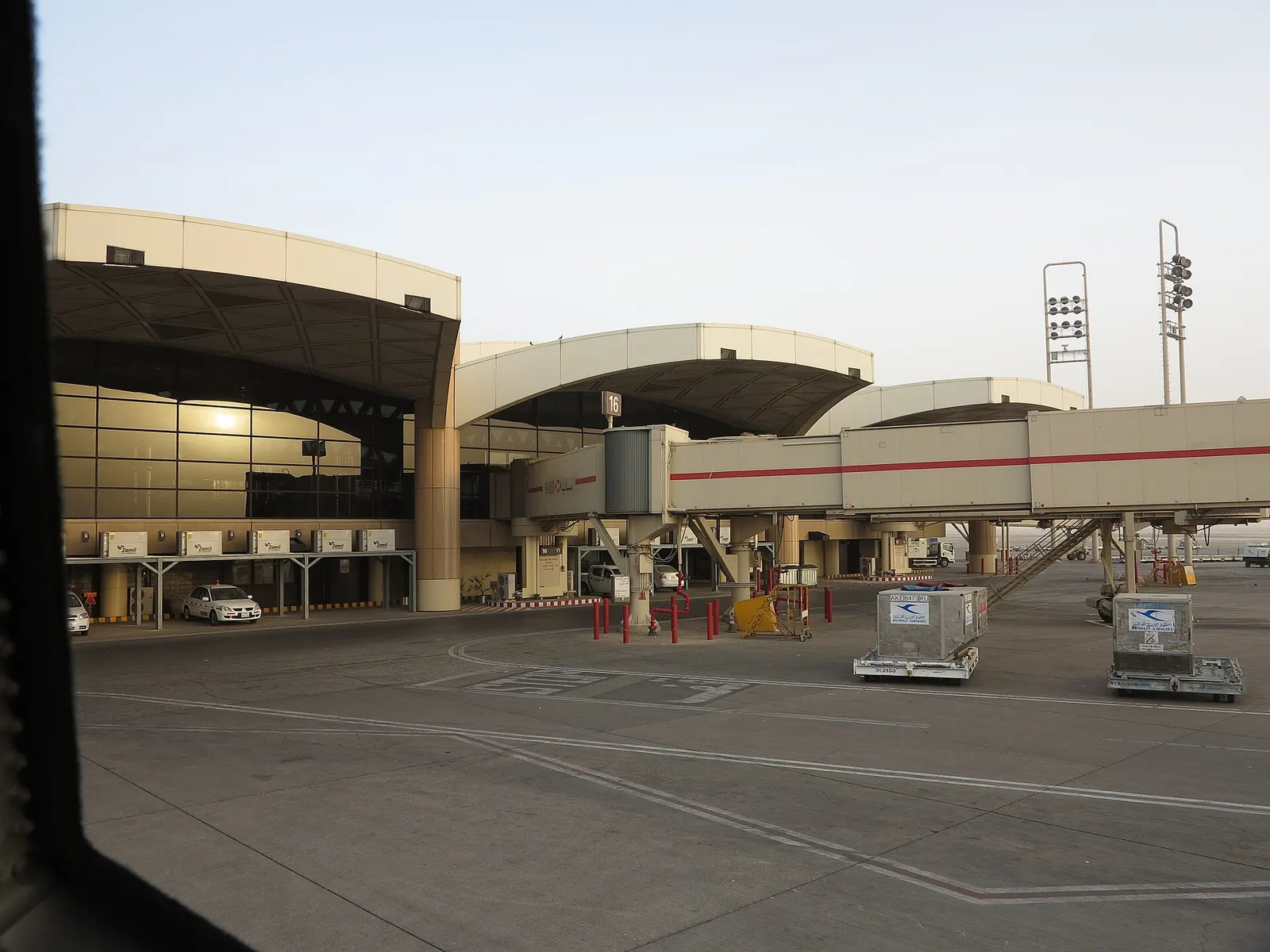
Houthi military spokesman Yahya Saree said on Thursday, October 8, that "our armed forces targeted King Khalid Airport in Riyadh at midday with a ballistic missile that hit its target," according to Euronews. Al Jazeera reports that Saree claimed damage and disruption to air traffic. The Critical Threats Project recorded a separate Houthi claim of two cruise missiles fired at the airport on October 8. It said it could not independently confirm that claim.
The Saudi-led coalition gives a different account of the same day. Coalition spokesman Turki al-Maliki said forces destroyed two ballistic missiles heading toward Riyadh and a third toward Khamis Mushait, near the Yemeni border, Al Jazeera reported, citing AP and Reuters. Saudi Arabia's civil defence agency said debris from an intercepted missile damaged a kindergarten and a medical clinic complex in Riyadh and gave no indication of casualties. Euronews quotes the coalition as saying the Houthis "will not go unpunished."
Critical Threats says that, since its previous update, the Houthis fired two ballistic missiles at the airport, that debris from one interception struck several sites in Riyadh, and that the other missile hit the airport and started a fire. It adds that the Houthis "significantly expanded the scale" of attacks on Saudi military and civilian infrastructure on October 5.
The casualty count
Casualty reporting is the least settled element. Saudi Arabia's General Authority of Civil Aviation (GACA) said on Friday that an airline pilot and two other Saudi citizens were killed in Thursday's attacks on King Khalid, and that several people "of different nationalities were wounded," according to Al Jazeera.
Earlier in the week, GACA said attacks on Abha and King Khalid airports killed three civilians and injured 36, and that at least three people were wounded at Jazan and Najran, Al Jazeera reported. Euronews, citing officials, described a drone attack on King Khalid that killed one Sudanese national and wounded eight, and an Abha strike that wounded 28. The reports differ on totals, dates and which incident caused which deaths. No independent tally is available.
Airlines reacted quickly. Lufthansa Group suspended Riyadh flights through October 16, Al Jazeera reported, citing Reuters, and Air India cancelled them until at least the weekend.
The Houthi case
The Houthis, formally Ansar Allah, say the strikes are retaliation for Saudi attacks on Sanaa International Airport and Hodeidah airport. Al Jazeera's correspondent Yousef Mawry described the group's aim as an "airport-for-airport equation." They have warned airlines that any aircraft in Saudi airspace is a target, except over Mecca and Medina, and urged workers at Saudi oil sites to leave. Saudi Arabia has accused the group of targeting Mecca and Medina; the Houthis called that "fabrications and lies," Euronews reported.
Critical Threats lists the movement's demands as lifting Saudi controls on Houthi-held ports and airports, war reparations, civil servant salaries and control of Yemen's oil and gas. Euronews, citing the Institute for the Study of War, says the aim is to raise Saudi economic costs by hitting civilian infrastructure.
The ground war and the diplomatic front
The airport strikes sit on top of a wider offensive. Al Jazeera says the Houthis seized a broad stretch of territory along the Bab al-Mandeb Strait last month, and Euronews says Saudi and Yemeni government forces have since launched a ground and air offensive to retake it, with officials saying several key areas were recaptured on Monday. Critical Threats says the Yemeni government's Mokha offensive began October 4 with Saudi air support and that Saudi and government-aligned forces struck Houthi bases, communications sites and the Sanaa-Taiz highway on October 7 and 8. It assessed that the strikes possibly disrupted Houthi reinforcement of Taiz, and reported Saudi strikes on Houthi missile positions and depots on October 8.
Battlefield numbers come from one side only. A spokesman for Saudi-backed Yemeni forces said at least 1,370 Houthi fighters had been "neutralised" and at least 300 vehicles destroyed or disabled, Al Jazeera reported, while a related Al Jazeera headline cited 1,860. Neither figure is independently confirmed, and the sources reviewed carry no Houthi account of losses.
The humanitarian toll is documented by a neutral body. The International Organization for Migration said more than 200,000 people have been displaced since fighting escalated, up from 76,000 in mid-September, and called the situation alarming.
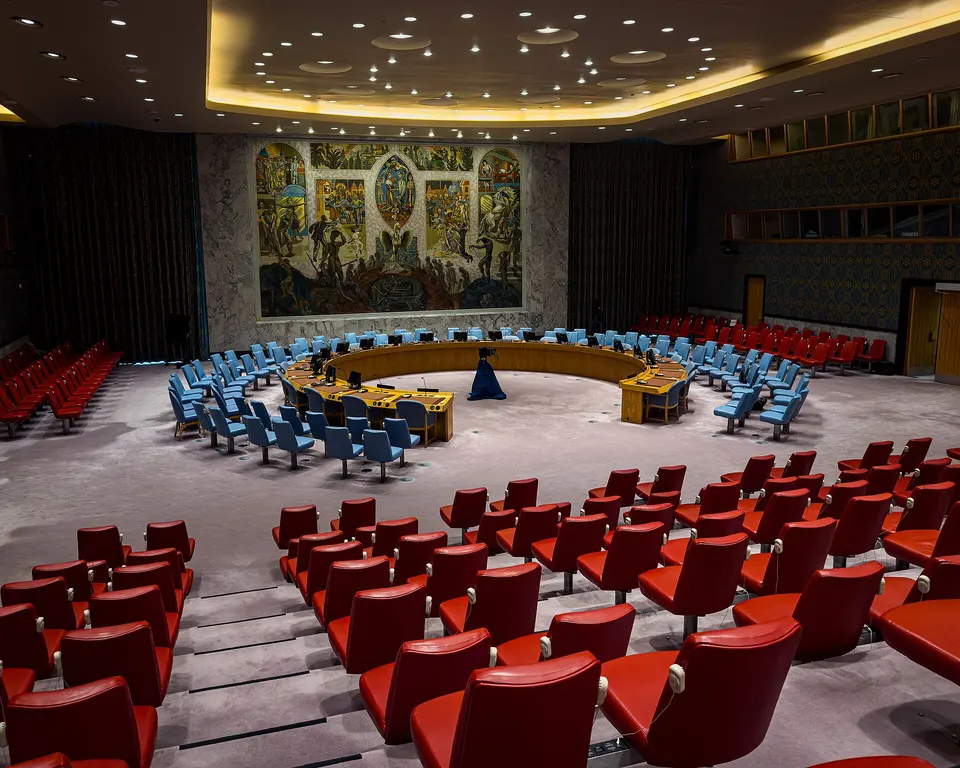
Diplomacy is moving in parallel. Yemen's internationally recognised government and Saudi Arabia asked the UN Security Council to act. Saudi envoy Abdulaziz al-Wasil cited "the increasing targeting of civilians" and threats to Red Sea navigation, while Yemen's representative Abdullah Ali Fadhel al-Saadi said the Houthi threat "is no longer an internal Yemeni affair that can be contained within our borders." Qatar called the airport attacks a "grave violation" of Saudi sovereignty, and Oman and Egypt also condemned them.
Why it matters and what comes next
Two links make this more than a Yemeni story. Euronews notes that strikes on Saudi facilities threaten shipping alternatives to the Strait of Hormuz, where traffic has been curtailed by the Iran war. Critical Threats reports Saudi Energy Minister Prince Abdulaziz bin Salman saying East-West Pipeline flow had returned to 5.8 million barrels per day on October 6.
Three things are worth watching. First, whether Saudi air defences keep intercepting enough missiles that reported damage stays limited. Second, whether the coalition's push toward the Bab al-Mandeb heights changes the Houthis' calculus or provokes more strikes on oil sites, which the group has warned about. Third, whether the Security Council appeal produces anything beyond statements. None of the sources reviewed reports talks between the parties, and each side describes its actions as a response to the other's.