Supreme Court Blocks Trump Mail-Ballot Rule Before Midterms
The ruling preserves existing mail-voting procedures for now, but leaves a broader fight over presidential election authority unresolved.
Key facts
- The Supreme Court rejected the administration’s emergency request and left the lower-court injunction blocking the Postal Service rule in effect.[1][2]
- The rule would have imposed new requirements on mail ballots, including federal verification and envelope standards, shortly before the 2026 midterms.[1][2]
- Mail voting was already underway in some states, making a last-minute nationwide procedural change operationally significant.[2][3]
- The order is not a final resolution of all underlying legal questions and leaves other administration efforts affecting elections active.[2][3]
The Supreme Court on September 14 rejected the Trump administration’s request to revive new Postal Service restrictions on mail-in ballots, leaving existing voting procedures in place as states prepare for the November 3, 2026, midterm elections.
The order blocked enforcement of a Postal Service rule that would have required new envelope standards and a federal verification process for ballots sent to voters. The administration argued that the Postal Service had authority to impose the requirements and that states could comply before voting accelerated. States and voting-rights groups countered that the plan was rushed, difficult to administer and likely to disenfranchise eligible voters.
What changed
The decision does not permanently resolve the underlying dispute. Instead, it denies the government’s emergency request for a stay, allowing a lower-court injunction to remain in effect while litigation continues. In practical terms, election officials can continue using the mail-ballot systems already established under state law rather than redesigning procedures weeks before the election.
The court’s ruling is especially significant because mail voting is already underway in some states. A late change could have forced election offices to identify voters through a new federal portal, alter ballot packaging and determine whether ballots met requirements that did not exist when many ballots were prepared.
The Supreme Court’s order also highlights the institutional question at the heart of the case: whether the executive branch can use control of the Postal Service to introduce nationwide election rules without congressional authorization or state agreement. The administration’s position placed unusual pressure on an agency whose routine delivery decisions would have had immediate consequences for election access.
Why it matters
The ruling removes an immediate logistical threat to the midterms and reduces the chance that voters, especially older, rural, disabled or overseas voters, will face last-minute changes in how they return ballots. It also gives election administrators a stable baseline during a period when litigation, federal directives and partisan disputes have already complicated preparations.
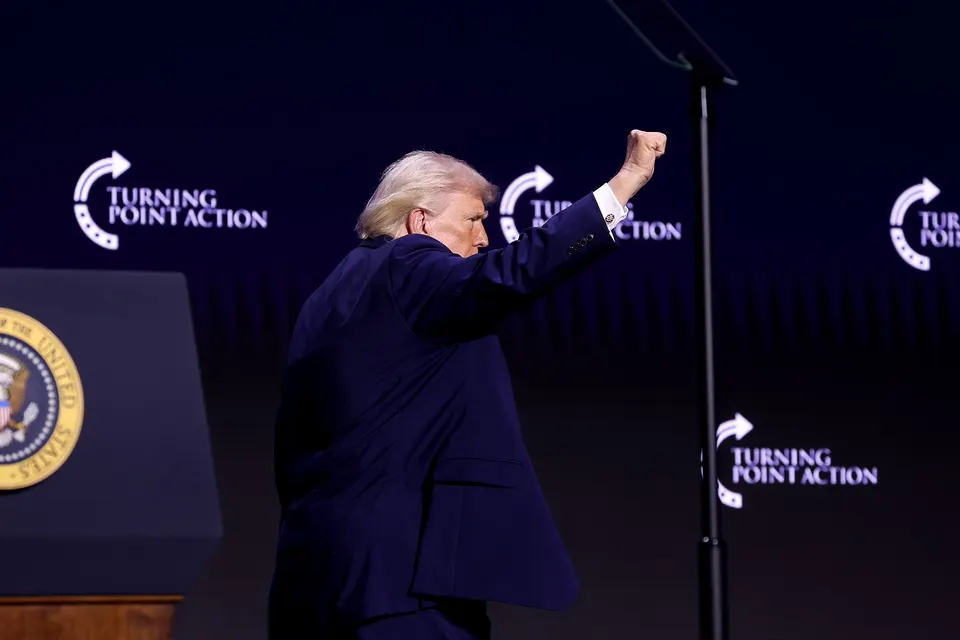
Politically, the decision is a setback for President Donald Trump’s effort to reshape mail voting through executive action. It may also reinforce the role of the courts and state election officials as barriers against abrupt national changes to election administration. Trump criticized the justices after the ruling, underscoring that the dispute is likely to remain part of the campaign environment.
What remains uncertain is whether the lower courts will ultimately strike down the Postal Service rule, narrow it or permit some version of it after the election. The Supreme Court’s emergency order is not a final ruling on every constitutional and statutory question. Nor does it prevent the administration from pursuing other voting-related initiatives, including litigation over voter data, citizenship verification and ballot handling.
For now, the immediate message to election offices is continuity: mail ballots should move under existing procedures. The broader fight is over who has the authority to define those procedures in the first place.